Dec 3 (Reuters) - Lockheed Martin said on Wednesday it has opened a hypersonics system integration lab at its Huntsville campus as it pushes to develop next-generation weapons.
Hypersonic weapons, which can travel at more than five times the speed of sound and evade traditional defenses, are at the centre of an arms race between the United States and China.
Lockheed's 17,000-square-foot facility will include advanced test equipment, simulation tools and an integration environment.
It is part of a larger capital program that now totals roughly $529 million and includes 719,000 square feet of facilities under construction or planned, the company said.
"Hypersonic weapons are reshaping the future of military defense by delivering unmatched speed and maneuverability that outpace traditional threats," said Holly Molmer, program management director for Lockheed Martin
In October, defense start-up Castelion said it won contracts to integrate its Blackbeard hypersonic strike weapon with current U.S. Army systems.
(Reporting by Aishwarya Jain in Bengaluru; Editing by Shailesh Kuber)
最近の投稿
- 1
 Renewables cover over 50% of German electricity consumption in Q1
 - 2'All Her Fault' ending explained: The shocking conclusion to the psychological thriller inspired by true events
- 3My skin feels drier, my lips thinner and my makeup heavier. How do I adjust my routine for aging skin?
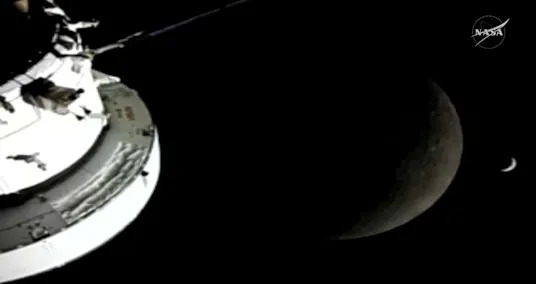
- 4Artemis 2 astronauts fly around the moon in record-breaking lunar loop by NASA
- 5Which European palace do you fantasy about visiting? Vote!




- Manual for Mountain Objections on the planet
- Solar storms have influenced our history – an environmental historian explains how they could also threaten our future
- Top 5 Top of the line Books of the Year
- 1st human missions to Mars should hunt for signs of life, report says
- 6 Exemplary Mexican Dishes
- Interstellar comet 3I/ATLAS to pass closest to Earth on Friday
- California warns of death cap mushrooms outbreak resulting in 3 deaths
- Instructions to Arrange Your Compensation During Medical caretaker Prospective employee meetings
- IndiGo lands IATA chief Willie Walsh as new CEO