Nine out of ten people in Germany expect the cost of living to increase in the coming months, according to a survey conducted in March by YouGov on behalf of Postbank.
Of the 2,028 people surveyed, 32.2% anticipate significant price increases.
"Many people still vividly remember how strongly prices were driven up by Russia's invasion of Ukraine in 2022," said Ulrich Stephan, chief investment strategist for private and corporate clients at Deutsche Bank, which owns Postbank.
"Current developments in the Middle East show that geopolitical conflicts once again have the potential to fuel inflation through rising energy prices."
Many economists also expect inflation to pick up in the coming months due to higher oil and gas prices, although they caution that the extent of the increase will depend on the duration of the war in Iran.
Germany's inflation rate fell to 1.9% in February, dropping back below the European Central Bank's 2% target. The Federal Statistical Office is due to release a preliminary estimate for March on Monday.
Rising prices are already weighing heavily on many, with 12.8% of the survey's respondents saying they are barely able to cover everyday living expenses. Among households with net incomes below €2,500 ($2,900) per month, that figure rises to 23.5%.
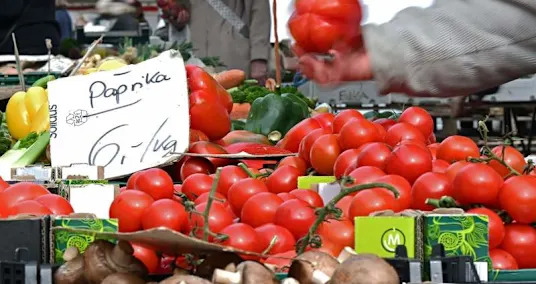
Food costs are currently the biggest financial strain for most respondents, cited by 69.4% as their primary burden. Energy (48.7%) and transport (45.6%) were also frequently listed among the top three cost pressures.
"The fact that more than half of respondents now rate their financial situation as worse than a year ago, and many expect little relief, is also a consequence of the inflation surge in 2022," Stephan said.
"Prices rose significantly at the time and remain noticeable in everyday life. New crises are further reinforcing this perception."
最近の投稿
- 1
 From Representative to Business visionary: Private issue Victories
 - 2Strength training is crucial after menopause. How to make the most of your workouts
- 3Uzbekistan launches €9.46 billion green energy push, covering nation’s power needs
- 4Eurasian cargo hub expands to capture Europe-Asia freight flows
- 5Triumph's 400 Range Has Just Changed In India, And Here's Why




- IDF strikes terror infrastructure across Iran, attack reported on Kashan airport
- $1,000 bribes, Mormon momfluencer mixers and making content to get plastic surgery: The wildest things I learned reporting my book
- German state railway loss widens, passengers warned of trouble ahead
- Sally Rooney books may be withdrawn from UK sale over Palestine Action ban, court told
- Potential Houthi threat to Red Sea shipping could further damage global economy
- How did Ariana Grande get her Glinda voice? I’m the man behind the magic.
- Emergency services search for five people last seen in missing Jeep
- Ancient mass grave discovered in water cistern during Tel Azekah excavations
- A 3-limbed Kemp's ridley sea turtle is now being tracked at sea by satellite