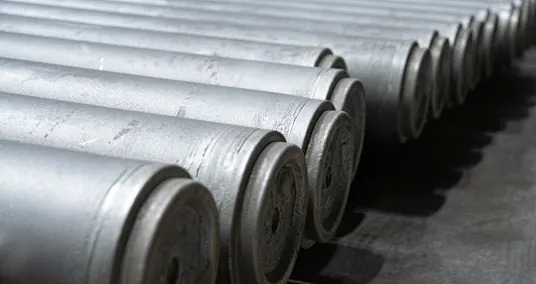
Fears of global aluminium shortages that could affect the production of clean energy technologies intensified after Iran struck two major Gulf aluminium producers, sending prices to a four-year high. The Middle East accounts for 9% of the world’s production of aluminum, which is essential to a wide range of industries from transportation, construction, and packaging, as well as the manufacture of solar panels, electrical transmission systems, wind turbines, and EVs.
Export shipments to the US and Europe had already come to a halt because of the effective closure of the Strait of Hormuz, and Morgan Stanley economists singled out aluminium as carrying a high level of risk across the value chain. Andy Farida, an aluminium analyst at Fastmarkets, told Semafor that high prices would be passed on to end-users, ultimately causing demand destruction. “A prolonged shutdown (with little to no alternative supplies other than Russia and China) could cripple the supply of aluminium to support the production of clean and green technology,” he said, adding that relief could come “if governments allow some sanctioned Russian and Chinese aluminium to be imported.”

最近の投稿
- 1
 'The best gift ever': Baby is born after the rarest of pregnancies, defying all odds
 - 2Figuring out the Justification for Separation: To blame and No-Shortcoming
- 3Santa's sleigh or the International Space Station? How to spot a bright Christmas flyby Dec. 24 and 25
- 4The Significance of a Land Lawyer for Your Business
- 5Jubilant FoodWorks to scrap Dunkin’ franchise arrangement in India



- Islamic State group militants claim capture and execution of a Nigerian brigadier general
- 4 Famous Attractions at Disneyland
- South Korea launches Earth-observation satellite on homegrown Nuri rocket
- Tickets for 'Stranger Things' Season 5 finale, to be shown in movie theaters on New Year's Eve, go on sale today. Here's how you can save your seat.
- African Forests Have Become a Source of Carbon Emissions
- Figure out How to Analyze Medical attendant Compensation Patterns Across Different Specializations
- NASA begins the countdown for humanity's first launch to the moon in 53 years
- A whale stranded at a Baltic Sea resort has swum off a sandbank. But it isn't safe yet
- Getting through a Lifelong Change: Individual Examples of overcoming adversity